Understanding Foundation Repair: A Comprehensive Guide to Protecting Your Property

A strong Foundation Repair Nashville is the backbone of any property, serving as the structural base that supports everything built above it. When the foundation is compromised, the entire stability of the building can be affected, making early detection and timely repairs crucial for long-term safety. Foundation issues can develop gradually due to soil movement, moisture fluctuations, natural settling, or construction inconsistencies, and many homeowners do not realize the severity of the problem until visible damage begins to spread throughout the structure.

By understanding how foundation damage occurs, how to recognize early symptoms, and what professional repair solutions exist today, property owners can make informed decisions that preserve value and prevent costly long-term deterioration.

One of the most important aspects of managing foundation concerns is identifying the early warning signs before they progress into major structural problems. Cracks in walls, floors, or ceilings are often the first indicators that something is shifting beneath the surface. Uneven or sloping floors, sticky windows and doors, and gaps around window frames are additional signals that the property’s foundation may be experiencing stress. Homeowners sometimes overlook these symptoms, assuming they are normal signs of ageing, but understanding their connection to underlying foundation issues is vital in minimizing potential damage. Because these symptoms can worsen rapidly, recognizing them early gives property owners the advantage of resolving concerns before they become more extensive and expensive to correct.

Moisture is one of the main contributors to foundation damage, making proper water management a central component of any long-term property maintenance plan. When excess water accumulates around the base of a structure, the soil expands and exerts pressure on the foundation, causing it to shift or crack. Conversely, dry soil conditions can cause soil to shrink, creating gaps and destabilizing the base of the property. This cycle of expansion and contraction can result in structural inconsistencies if left unaddressed. For this reason, proper drainage systems, well-maintained gutters, and consistent monitoring of soil conditions play a major role in preventing foundation issues. Many homeowners are surprised to learn how much influence simple exterior maintenance has on protecting the structural integrity of their homes or buildings.

When foundation damage is confirmed, property owners often turn to professional foundation repair services to ensure stability and prevent the issue from spreading. Experts use a variety of modern repair techniques to address specific concerns, depending on the type and extent of the damage. One commonly used approach is piering, which involves installing steel or concrete piers deep into the ground to lift and stabilize the foundation. Another method, slabjacking, involves injecting a special grout mixture beneath the foundation to raise sunken areas. Each method is chosen based on the unique conditions of the property, including soil type, moisture levels, and the severity of the structural issues. Because foundation repair is highly technical, professional evaluation is essential in determining which solution will deliver long-lasting results.

Choosing the right foundation repair professionals is an important step in achieving reliable and durable outcomes. Homeowners should prioritize companies that have comprehensive experience, advanced training, and a strong understanding of structural engineering principles. A reputable foundation repair expert will assess the property thoroughly, explain the condition clearly, and recommend appropriate solutions that align with the long-term structural needs of the building. Many property owners benefit from obtaining multiple evaluations to compare repair strategies and pricing, ensuring that they receive thorough service and fair value. Doing proper research before hiring a contractor ultimately provides peace of mind and ensures that the repairs are both effective and durable.

In addition to addressing existing structural issues, many homeowners choose to invest in preventative measures that minimize the likelihood of future foundation damage. Regular inspections are one of the simplest and most effective ways to keep track of soil movement, moisture levels, and early indicators of structural stress. Proper landscaping practices, such as keeping large trees at an appropriate distance from the building and maintaining consistent soil moisture levels, can also significantly reduce the risk of foundation concerns. Preventative action helps ensure lifespan, protects investment, and reduces the need for costly repairs later on.

When considering long-term property maintenance, foundation repair should always be viewed as a critical component of preserving value and ensuring safety. A stable foundation affects not only the structural integrity of a property but also its overall marketability and resale appeal. Buyers are often cautious about purchasing homes or buildings with unresolved foundation issues, making timely repair essential for those who plan to sell their property in the future. Even if a sale is not immediately planned, proper foundation care enhances the longevity of the structure, supports safe occupancy, and prevents incremental damage that can accumulate over time.

Consumers exploring foundation repair services will benefit from understanding a few essential considerations that help guide them toward informed decisions. Two of the most important factors include:

  1. Repair Method Suitability: Every foundation concern requires a tailored approach. Not all repair techniques are appropriate for every type of foundation, and selecting the wrong method can result in further complications.
  2. Long-Term Stability: Repairs should not only fix visible damage but also prevent the issue from recurring. High-quality repair strategies focus on stabilization and reinforcement, ensuring the foundation can withstand future soil movement and environmental changes.

While foundation repair may seem intimidating at first, homeowners can take comfort in knowing that modern repair technologies make it possible to restore strength and stability with impressive precision. Over the years, the industry has developed advanced equipment and engineered solutions designed to meet the needs of various foundation types and soil conditions. These modern advancements have made foundation repair more efficient, more accurate, and more durable, reducing the stress associated with managing structural concerns. What was once seen as a major, disruptive process is now achievable with minimal intrusion and predictable results.

Homeowners who proactively manage their foundation health often experience fewer issues and enjoy greater long-term confidence in the stability of their property. Incorporating routine inspection schedules, practicing good water control, and responding quickly to warning signs helps prevent the type of damage that requires extensive repair. Even properties that do not appear to have visible foundation concerns can benefit from professional evaluations, as subtle signs often go unnoticed without trained expertise. The combination of early detection and timely action remains the most effective approach to protecting one of the most important structural components of the home.

As foundation concerns continue to be a common challenge for property owners, understanding the broader context behind the issue is essential. Soil conditions, weather patterns, and natural settling all play a role in how foundations behave over time. Because these factors vary between properties, the type of foundation repair required will also differ. A well-informed property owner is better equipped to navigate these complexities and choose the best path forward. Staying informed empowers homeowners to manage their structural needs properly and maintain a safe, secure environment for years to come.

In conclusion, foundation repair is far more than just a structural fix—it is an investment in safety, durability, and property value. Homeowners who prioritize foundation health are taking steps that will protect their buildings from long-term deterioration and costly complications. Understanding early warning signs, maintaining proper drainage, choosing experienced professionals, and investing in preventative measures are all key components of a strong foundation maintenance strategy. With the right knowledge and expert support, property owners can ensure that their structures remain stable, secure, and structurally sound for generations.


Rome’s Most Famous Antique Dealers and Their Stories

Rome is more than an open-air museum; it’s a living marketplace where fragments of the past are still exchanged every day. Among the marble ruins, Renaissance palaces, and Baroque churches, Antiquario has established a tradition of preserving history not in glass cases, but in the vibrant act of trade. Their stories are as layered as the city itself, part scholarship, part adventure, part quiet guardianship of memory.

The Birth of a Tradition

Antique Dealers

The roots of Rome’s antique trade go back to the late Renaissance. Wealthy collectors were eager to fill their villas with relics of the ancient world, statues, coins, manuscripts, mosaics. Dealers emerged as middlemen between excavation sites and aristocratic collections, often scholars themselves who could identify and authenticate objects. In those early centuries, the work was as much about erudition as about business. A dealer was not simply a seller; they were an interpreter of the past, a bridge between dusty fragments and cultivated appreciation.

By the 18th and 19th centuries, the Grand Tour brought wealthy travelers through Rome. Dealers became guides for these curious aristocrats, helping them acquire souvenirs that went far beyond postcards: ancient busts, Etruscan pottery, medieval reliquaries. This was the era when the trade transformed from local to international, and reputations were built on both knowledge and discretion.

Guardians of Lost Worlds

What sets Rome’s antique dealers apart is the city itself. Every brick seems to conceal another layer of history. Dealers here often acted as accidental archaeologists, stumbling upon treasures hidden in crumbling palazzi or buried in forgotten church storerooms. Some became known for specializing in particular eras—classical bronzes, Renaissance furniture, or ecclesiastical artifacts. Others cultivated a reputation for breadth, their shops resembling miniature museums that spanned centuries.

Stories abound of dealers who rescued fragments from obscurity. A 17th-century tapestry rolled up in a dusty attic, a carved sarcophagus lid forgotten in a garden, a bundle of letters that once passed through papal hands—such finds were not just transactions but acts of preservation. The dealers’ clients may have been noble families, artists, or foreign collectors, but at the heart of the work lay an unspoken mission: to give objects a second life.

The Scholar-Dealers

Rome’s antique trade has always blurred the line between commerce and scholarship. Some of its most famous dealers were first and foremost researchers—publishing catalogues, translating inscriptions, or reconstructing lineages of art. Their shops doubled as libraries, where collectors came not only to buy but to learn.

In many cases, the expertise of these dealers exceeded that of museums. They could identify the workshop of a sculptor from the curve of a chisel mark or date a manuscript by the faintest change in handwriting style. Buyers relied on their judgment, and over time, their word became as valuable as the object itself. These scholar-dealers also influenced art history as a discipline, with their notes and catalogues still used as references today.

The Risk and Reward of the Hunt

Antique dealing in Rome has never been a quiet profession. Behind the elegance of glass cabinets and gilded frames, there is the thrill of discovery—and sometimes, the peril of deception. Fakes have always haunted the trade, from Renaissance-era forgeries of ancient statues to modern imitations of medieval icons. The best dealers built their reputations on the ability to separate truth from fraud, often at great personal cost.

Some stories tell of dealers who risked fortunes on a single acquisition—purchasing what seemed like an unremarkable object only to reveal, after months of research, its extraordinary significance. Others recall moments of failure: masterpieces revealed as clever imitations. The highs and lows of such gambles gave the trade its aura of danger, turning the dealer into something of a treasure hunter.

Patrons and Power

For centuries, the success of a dealer often depended on their relationships with powerful patrons. Popes, cardinals, aristocrats, and later wealthy industrialists all turned to these figures for guidance. A trusted dealer could shape the tastes of entire generations, influencing not only what was collected but what was considered beautiful, important, or worthy of preservation.

This influence sometimes extended to politics. A dealer who placed a Roman bust in a noble family’s palace or a Renaissance crucifix in a foreign ambassador’s residence was not only selling an object but transferring a piece of cultural capital. In this way, Rome’s antique dealers became quiet diplomats of history, shaping perceptions of the Eternal City far beyond its walls.

The Private Lives Behind the Shops

Beneath the polished image, many of Rome’s antique dealers led dramatic personal lives. Some came from families who had passed down knowledge for generations, their shops operating like dynasties. Others were outsiders, arriving in the city with little more than curiosity and an eye for beauty, slowly building reputations through persistence and luck.

The stories vary: a dealer who started as a street peddler of coins, another who was once an apprentice sculptor, a former seminarian who turned to selling sacred relics. Each narrative reflects the eclectic path that leads one to handle fragments of the past. What unites them is passion—a restless drive to chase objects that whisper of vanished worlds.

Influence on Modern Collecting

Many museums around the world owe parts of their collections to Rome’s antique trade. From marble busts in Paris to medieval manuscripts in New York, the fingerprints of these dealers stretch across continents. Some became so famous that their names themselves became a mark of authenticity, a guarantee that an object carried history in its bones.

Yet the role of the antique dealer has never been merely transactional. By choosing what to preserve and what to let go, they helped define cultural memory. A small Roman oil lamp or a fragment of mosaic might never have survived without their intervention. In this way, their stories are inseparable from the objects that now sit behind museum glass or in private collections.

Challenges of the Modern Era

Today, the antique trade in Rome faces new realities. Strict cultural heritage laws, ethical debates about provenance, and the rise of digital marketplaces have reshaped the landscape. Dealers now navigate a delicate balance between preserving tradition and adapting to contemporary demands.

Some emphasize transparency, documenting provenance with meticulous care. Others focus on specialized niches—rare books, coins, design pieces—rather than broad collections. Despite these shifts, the essence of the trade remains unchanged: the thrill of discovery, the preservation of memory, the delicate art of connecting past and present.

The Enduring Allure

What makes Rome’s antique dealers so captivating is not only the objects they handle but the aura that surrounds them. They are storytellers as much as merchants, weaving tales that transform a fragment of marble or a faded canvas into a living connection with history. Their shops, whether filled with ancient coins or Baroque furniture, invite visitors to step into a dialogue with the past.

In a city where every stone already feels eternal, these figures remind us that history is not static. It moves, it circulates, it is handled, appreciated, and sometimes even lost—only to resurface again. Through their work, Rome’s antique dealers keep the past alive not as a museum relic but as part of the city’s daily rhythm.

Understanding The Right Time For Septic Tank Pumping

Septic Tank Pumping is the process of removing the solid waste and sludge layer in your septic system. This prevents the buildup from reaching critical levels and reduces the risk of contamination of groundwater or nearby water bodies.

Septic Service

The frequency of pumping varies depending on the size of your tank and household usage patterns. Generally, it’s recommended to have your tank pumped every three to five years.

A septic system can easily become clogged and cause wastewater to back up into the home. When this happens, it’s time to call in a professional to get the system working again. A professional service provider can use specialized equipment to dislodge solid waste and prevent blockages from forming inside the tank. The resulting clean, functional septic system ensures the longevity of your septic system and reduces your risk of expensive repairs in the future.

Even with the best septic tank care, certain items can cause serious problems in a homeowner’s septic system. For example, flushing multiple toilets in a short period of time can overload the system, leading to sewage backups and other problems. Also, putting too many non-biodegradable items in the drains can also restrict flow and lead to a clogged system. These materials include “flushable” wipes, paper towels, and sanitary products. These materials can also contaminate the soil in the septic system’s drain field, causing it to become oversaturated and incapable of absorption.

Another way to protect the septic system from clogs and other problems is to have the tank pumped regularly. Keeping the septic tank at an appropriate level helps prevent the buildup of solid waste, which can overtax the septic system and cause problems like slow draining or strange odors.

It’s a good idea to have the septic tank pumped before hosting an event that will generate a lot of wastewater. This can help prevent a full tank from overflowing into the house, which can cause sewage to backup and other issues.

Additionally, homeowners should avoid using a garbage disposal. While they make kitchen cleanup much easier, they can add up to 50% more solid waste to the septic tank. If you have a garbage disposal, you’ll need to have the septic tank pumped more frequently. If you’re not sure how often to have your septic tank pumped, contact your local septic tank maintenance company for recommendations.

Prevents Foul Odors

Insoluble solids, such as coffee grounds, vegetable and fruit peels, baby wipes, feminine hygiene products, and grease and oils, can build up inside your drainpipes and prevent wastewater from flowing freely. When this happens, the resulting clogs will emit foul odors throughout your homestead. To prevent this, use a sieve to catch these solids from going down the drain. Instead, dispose of them in waste bins to keep your septic tank and homestead smelling fresh.

Foul odors emanating from drains, toilets, and outdoor areas near the septic tank are among one of the biggest warning signs that your septic system is in need of pumping. If these odors become stronger, you need to call in professional septic services right away.

The septic tank is an underground container through which domestic wastewater flows for basic treatment and decomposition. It is composed of a concrete or fiberglass tank and a drain field beneath the ground. The organic waste in your septic tank is decomposed naturally, with solids sinking to the bottom and floatable matter hovering above as sludge and scum. Septic tanks that get full quickly cause solids to overflow into the drain field, causing clogs and wastewater backups. Regular septic tank pumping keeps your system functioning properly and your home free from foul odors.

If sewage backs up into your home through toilets, kitchen and bathroom sinks, and tubs, this is another serious warning sign that your septic tank needs to be pumped out immediately. It means that your septic tank is overflowing and can no longer manage the waste in your home, which poses a major health hazard and can cause significant damage to your plumbing.

Septic systems need to be pumped regularly, but many homeowners overlook this vital part of their home maintenance. If you do not hire professional septic tank services to handle this important task, you will have to deal with costly repairs or even premature septic system replacement. To avoid these problems, have your septic tank pumped out at least once every three years. This will help reduce the amount of solids that will overflow into your leach field.

Prevents Environmental Contamination

If your industrial facility relies on a septic tank, regular maintenance is an important part of preserving the environment. If the tank overflows, it can cause sewage to seep into the surrounding soil and waterways, contaminating the ecosystem with disease-causing pathogens. This can also cause contamination of groundwater and surface water, causing harm to plant life and endangering human health.

Septic tank pumping helps prevent environmental contamination by removing the solid waste that accumulates in the system between service appointments. This helps to reduce the amount of toxins, hormones, and other pollutants that can enter the ecosystem and negatively affect the water quality of nearby lakes, rivers, streams, and groundwater sources.

Choosing to have your septic system pumped regularly by professionals ensures that the accumulated solid waste is removed and properly disposed of. This can help to avoid costly system failures and backups that may require the installation of a new, more expensive septic tank.

The frequency of septic tank pumping depends on several factors, including the size of the tank and household usage patterns. A large family or household will likely need to have their septic tank pumped more frequently than a smaller home. Other factors include the type of household cleaning products used and whether any non-biodegradable items (such as wipes, feminine hygiene products, or coffee grounds) are sent down the drains.

It is recommended to have your septic tank pumped at least every three years. However, it’s important to consult a professional and follow specific guidelines for your unique septic tank to prevent overflowing and other damage.

Although attempting to tackle this task yourself can save you some money, hiring professional septic tank pumping services is a smart investment in the cleanliness of your home and the environment. Professionals are familiar with the complexities of managing septic tanks and have the proper equipment to complete the job efficiently and safely. In addition, they can check for any signs of problems that require immediate attention and provide expert advice on proper septic system maintenance between pumpings. In addition, septic tank pumping is an essential step towards a greener future and reducing the impact of our residential and commercial waste on the environment.

Increases Property Value

A home with a functioning septic system is highly desirable in areas where municipal sewer connections are unavailable or prohibitively expensive. Regular septic tank pumping and inspections keep systems operating in top condition, a factor that enhances property value.

Moreover, homeowners that integrate septic maintenance into their routine avoid the high costs associated with extensive repairs or replacements. Preventive maintenance also lowers the risk of a sudden breakdown, further reducing the potential for costly damage to the drain field or groundwater. The cumulative savings over time make septic tank pumping services a smart long-term investment.

In addition to preserving the integrity of your septic system, preventive maintenance helps you to protect your home and neighborhood environment by preventing foul odors from spreading. Foul odors typically signal a septic tank or drain field issue. These issues often cause wastewater backups and can contaminate the groundwater. Regular septic tank pumping removes solid waste and prevents overflows that can cause property damage, ensuring a clean, pleasant living space for residents and neighbors.

Maintaining septic tank efficiencies also benefits you during the home selling process. Prospective buyers are often wary of homes with leaking tanks or poor maintenance histories. A documented record of septic tank pumping and inspections reassures buyers, giving them peace of mind that the septic system will operate reliably and meet local regulations.

For those considering selling their homes, scheduling septic tank cleaning and inspection services before listing is an excellent way to boost property values. These proactive measures help to ensure a safe and sanitary living environment, which is something that most buyers care about. Moreover, they also reduce last-minute hassles and headaches that can derail the sales process. Taking these measures puts homeowners in a stronger position at the bargaining table and provides a greater degree of financial security for their investments.

Appliance Services for Repair, Maintenance, and Installation

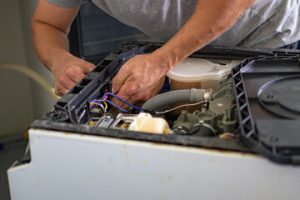
Modern households and businesses rely heavily on appliances to keep daily routines running smoothly. From refrigerators and ovens to washing machines and air conditioners, these essential devices provide comfort, convenience, and efficiency. However, like all machines, appliances can experience wear and tear over time. When this happens, reliable appliance services for repair, maintenance, and installation become essential. These services not only restore functionality but also help extend the lifespan of appliances, ensuring they continue to operate at peak performance.

appliance repair

The Importance of Professional Appliance Services

Appliances play a crucial role in maintaining efficiency in homes and workplaces. When a major appliance breaks down, it can cause inconvenience, disrupt schedules, and sometimes even lead to costly damage. Professional appliance services ensure that these essential machines are repaired, maintained, and installed correctly to prevent further issues.

Some key reasons why appliance services are so important include:

  • Restoring Convenience: A malfunctioning appliance can disrupt everyday routines. Prompt repairs bring life back to normal quickly.
  • Ensuring Safety: Faulty appliances can pose safety hazards such as electrical issues, leaks, or overheating. Professional repairs reduce these risks.
  • Saving Money: Regular maintenance and timely repairs prevent small issues from becoming expensive replacements.
  • Improving Efficiency: Well-maintained appliances operate more efficiently, using less energy and lowering utility costs.
  • Prolonging Lifespan: Professional care helps extend the durability of appliances, ensuring long-term performance.

Comprehensive Appliance Services

Professional appliance service providers typically offer a wide range of solutions designed to cover every stage of an appliance’s life cycle—installation, maintenance, and repair.

*Appliance Installation

Proper installation is the foundation for long-term performance. Even high-quality appliances may underperform if not installed correctly. Experts ensure that appliances are connected safely, leveled properly, and set up according to manufacturer specifications. This reduces the risk of future issues and guarantees optimal functionality from day one.

*Appliance Repair

When an appliance breaks down, repair services address the problem promptly and effectively. Skilled technicians diagnose issues accurately and provide solutions that restore the appliance to working condition. Common repairs include fixing leaks in dishwashers, addressing cooling problems in refrigerators, or resolving electrical issues in ovens and dryers.

*Appliance Maintenance

Routine maintenance is often overlooked, yet it plays a vital role in preventing unexpected breakdowns. Maintenance services include cleaning internal parts, checking electrical connections, replacing worn components, and ensuring appliances meet performance standards. Regular servicing helps avoid costly emergency repairs and improves energy efficiency.

Common Appliances Serviced

Appliance service providers handle a wide range of household and commercial equipment, including:

  • Refrigerators and Freezers: Ensuring proper cooling and energy efficiency.
  • Ovens, Stoves, and Ranges: Repairing heating elements, igniters, and control systems.
  • Dishwashers: Addressing leaks, clogs, and poor cleaning performance.
  • Washing Machines and Dryers: Fixing drainage issues, drum malfunctions, or heating problems.
  • Microwaves: Handling electrical or mechanical faults.
  • Air Conditioners and Heaters: Maintaining proper climate control and energy efficiency.

Benefits of Hiring Reliable Appliance Services

While some people may attempt do-it-yourself fixes, professional appliance services provide significant advantages:

  • Expert Knowledge: Trained technicians have the skills and experience to handle complex issues across different types of appliances.
  • Safety Assurance: Professionals follow safety protocols to prevent hazards such as electrical shocks, gas leaks, or water damage.
  • Time Efficiency: Appliance experts complete repairs quickly, minimizing disruptions to daily life.
  • Access to Tools and Parts: Service providers often have specialized tools and genuine replacement parts that may not be easily available to the average consumer.
  • Guaranteed Results: Professional services often come with warranties or service guarantees, offering peace of mind.

Signs You Need Appliance Services

Recognizing the signs of appliance issues early can help prevent major breakdowns. Common indicators include:

  • Unusual noises or vibrations.
  • Increased energy bills without changes in usage.
  • Leaks, sparks, or smoke.
  • Inconsistent or insufficient performance.
  • Frequent cycling on and off.
  • Difficulty starting or shutting down appliances.

When these symptoms occur, it is best to call a professional rather than risk worsening the problem through temporary fixes.

Preventive Care and Long-Term Savings

Preventive maintenance is one of the most cost-effective strategies for managing appliances. Regular check-ups ensure that appliances are running efficiently and reduce the likelihood of emergency repairs. For example, cleaning refrigerator coils improves cooling efficiency, while inspecting dryer vents reduces the risk of fire hazards.

By investing in maintenance, homeowners and businesses save money in the long run by avoiding costly replacements and reducing energy consumption.

Choosing Reliable Appliance Services

With many options available, selecting the right appliance service provider is essential. Here are some factors to consider:

  • Experience and Training: Providers with years of expertise are more likely to deliver reliable results.
  • Range of Services: A comprehensive provider can handle installation, maintenance, and repair for multiple appliance types.
  • Transparency: Clear pricing and honest assessments build trust and prevent hidden costs.
  • Customer Support: Reliable providers offer responsive communication and flexible scheduling.
  • Reputation: Reviews and referrals provide valuable insight into the quality of service.

The Role of Professional Services in Sustainability

Reliable appliance services not only benefit property owners but also contribute to environmental sustainability. Well-maintained appliances consume less energy and water, reducing environmental impact. Repairing rather than replacing appliances also minimizes waste and the demand for new manufacturing.

Appliances are essential to modern living, and keeping them in top condition requires reliable services for repair, maintenance, and installation. Professional technicians provide the expertise, safety, and efficiency needed to ensure appliances continue operating at their best. By investing in professional care, property owners save money, extend the lifespan of their appliances, and enjoy greater peace of mind. Whether it’s setting up a new device, restoring a broken one, or performing routine maintenance, reliable appliance services are the key to keeping households and businesses running smoothly.